
Фріц Шмидель
Fritz Schmiedel
Дата народження: 26 березня 1906
Знак зодіаку: Овен
Дата смерті: 10 листопада 1979 (73 роки)
Місце народження: Відень, Австро-Угорщина
Всього фільмів (на сайті): 17
Ролі: актор
Знайдено 17 результатів

 6.7
6.7 Сюжет
Інспектор мюнхенської поліції Штефан Деррік привертає до себе увагу не тим, що здатний на незвичайні подвиги або ексцентричні виверти, його талант - у розумінні людської психології. Відомий своєю принциповою відмовою від класичних методів розслідування, інспектор почувається впевнено в будь-якій ситуації – чи то злодійський світ, чи то вищі ешелони влади.
Інспектор Деррік (1974—1998)
Derrick
12+Читати опис
Інспектор мюнхенської поліції Штефан Деррік привертає до себе увагу не тим, що здатний на незвичайні подвиги або ексцентричні виверти, його талант - у розумінні людської психології. Відомий своєю принциповою відмовою від класичних методів розслідування, інспектор почувається впевнено в будь-якій ситуації – чи то злодійський світ, чи то вищі ешелони влади.
Сюжет (англ.)
The story of the last days of Austrian farmer Franz Jägerstätter (1907-1943), who was executed by the Nazi regime because of his refusal to compromise with a perverse system.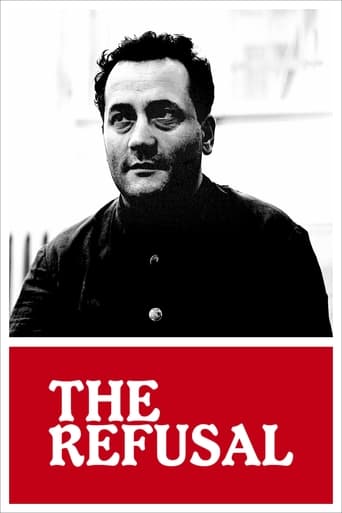
The Refusal (1971)
The Refusal
Читати опис (англ.)
The story of the last days of Austrian farmer Franz Jägerstätter (1907-1943), who was executed by the Nazi regime because of his refusal to compromise with a perverse system.
Сюжет (англ.)
Der Kommissar is a German television series about a group of detectives of the Munich homicide squad. All 97 episodes, which were shot in black-and-white and first broadcast between 1969 and 1976, were written by Herbert Reinecker and starred Erik Ode as Kommissar Herbert Keller. Keller's assistants were Walter Grabert, Robert Heines, and Harry Klein who, in 1974, was replaced by his younger brother Erwin Klein.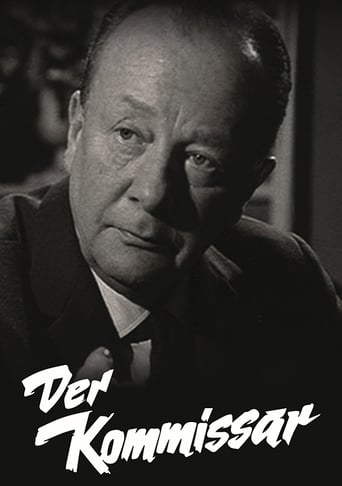
The Commissioner (1969—1976)
The Commissioner
12+Читати опис (англ.)
Der Kommissar is a German television series about a group of detectives of the Munich homicide squad. All 97 episodes, which were shot in black-and-white and first broadcast between 1969 and 1976, were written by Herbert Reinecker and starred Erik Ode as Kommissar Herbert Keller. Keller's assistants were Walter Grabert, Robert Heines, and Harry Klein who, in 1974, was replaced by his younger brother Erwin Klein.
Сюжет (англ.)
Yet another adaptation of The Lodger, a novel by Marie Belloc Lowndes. A new tenant is suspected of being a serial killer.
Der Mieter (1967)
Der Mieter
Читати опис (англ.)
Yet another adaptation of The Lodger, a novel by Marie Belloc Lowndes. A new tenant is suspected of being a serial killer.
Сюжет (англ.)
Die seltsamen Methoden des Franz Josef Wanninger is a German television series.
Die seltsamen Methoden des Franz Josef Wanninger (1965—1970)
Die seltsamen Methoden des Franz Josef Wanninger
Читати опис (англ.)
Die seltsamen Methoden des Franz Josef Wanninger is a German television series.
An Alibi for Death (1963)
An Alibi for Death

Сюжет (англ.)
This West German television series is based on real cases of German-German espionage.
Die fünfte Kolonne (1963—1968)
Die fünfte Kolonne
Читати опис (англ.)
This West German television series is based on real cases of German-German espionage.
Сюжет (англ.)
The Crime Museum is the title of a German television crime series.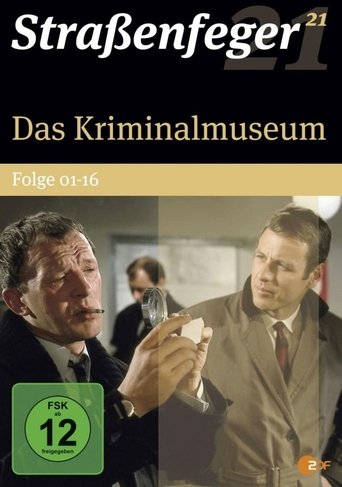
Das Kriminalmuseum (1963—1970)
Das Kriminalmuseum
Читати опис (англ.)
The Crime Museum is the title of a German television crime series.
Сюжет (англ.)
At the end of WWII a soldier who had often been ordered to execute women and children deserts and tries to find a hiding place in his native village. Almost immediately the entire village ...
The Fair (1960)
The Fair
16+Читати опис (англ.)
At the end of WWII a soldier who had often been ordered to execute women and children deserts and tries to find a hiding place in his native village. Almost immediately the entire village ...
Сюжет (англ.)
Second part of two of the saga of the troubled Buddenbrook family and their business in 19th-century Germany.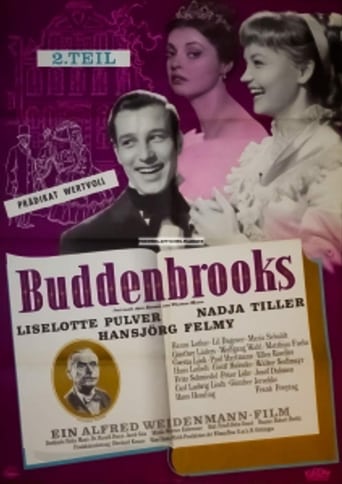
The Buddenbrooks (1959)
The Buddenbrooks
12+Читати опис (англ.)
Second part of two of the saga of the troubled Buddenbrook family and their business in 19th-century Germany.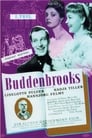
Сюжет (англ.)
First part of two of the saga of the troubled Buddenbrook family and their business in mid 19th century Germany.
The Buddenbrooks (1959)
The Buddenbrooks
12+Читати опис (англ.)
First part of two of the saga of the troubled Buddenbrook family and their business in mid 19th century Germany.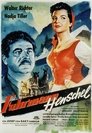
Сюжет (англ.)
Adaptation of the naturalistic tragedy by Hauptmann: After his wife dies, a cart driver marries his ambitious and shrewish maid, who brings him nothing but trouble.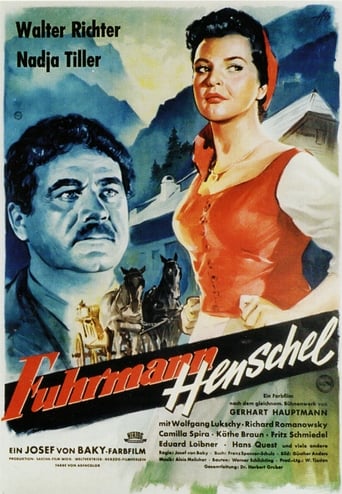
Fuhrmann Henschel (1956)
Fuhrmann Henschel
16+Читати опис (англ.)
Adaptation of the naturalistic tragedy by Hauptmann: After his wife dies, a cart driver marries his ambitious and shrewish maid, who brings him nothing but trouble.


Сюжет
Передача секретних документів з Танжера в Лондон в 1942 році — дуже небезпечне завдання. Один за одним зникають агенти розвідувальної мережі, якою керує Александр Сегард і яка працює під прикриттям імпортно-експортної фірми. Тільки журналісту Жоржу Массу вдається впоратись з поставленим завданням.
Місія в Танжері (1949)
Mission in Tangier
Читати опис
Передача секретних документів з Танжера в Лондон в 1942 році — дуже небезпечне завдання. Один за одним зникають агенти розвідувальної мережі, якою керує Александр Сегард і яка працює під прикриттям імпортно-експортної фірми. Тільки журналісту Жоржу Массу вдається впоратись з поставленим завданням.
Сюжет (англ.)
1941 in a small town in Nazi occupied France. Against the will of its elderly male and his adult niece residents, the Nazis commandeer a house for one of their officers, Lt. Werner von Ebrennac, to live in for as long as he is in the area on Nazi business. As a figurative and literal silent protest against the Nazis and the officer, the uncle and niece do whatever is required of them while the officer is in their house, however they do not acknowledge his presence, living largely in silence whenever he is around. The officer treats the housing situation with care, like he is a guest. Although not a nightly occurrence, the officer begins an evening routine with his reluctant hosts: in his civilian clothes, he knocks on the door of the room in which they have convened for the evening, walking in shortly thereafter knowing that no acknowledgment will be made for him to enter, he visits with them for no more than five minutes before he bids them a good evening as he exits. During these visits, he speaks reverently about, among other things, culture - music and literature in particular as he is a composer and musician - his national pride, his love of France, and what he hopes will emerge from the war, namely a strong and free France, stronger than it was before the war, and the marriage between the French and German cultures which will enrich the lives of all Europeans. All the while, he makes no expectations from them, either to listen, or to answer if they are indeed listening. At the end of what ends up being his six month stay at the house, he does end up having a profound effect on the uncle and niece, despite that effect being largely unacknowledged, as his stay in France has a profound effect on him, opening up his eyes to the reality of the war based largely on his first ever visit into Paris.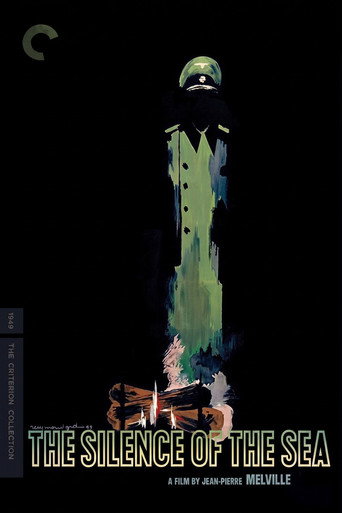
Мовчання моря (1949)
The Silence of the Sea
Читати опис (англ.)
1941 in a small town in Nazi occupied France. Against the will of its elderly male and his adult niece residents, the Nazis commandeer a house for one of their officers, Lt. Werner von Ebrennac, to live in for as long as he is in the area on Nazi business. As a figurative and literal silent protest against the Nazis and the officer, the uncle and niece do whatever is required of them while the officer is in their house, however they do not acknowledge his presence, living largely in silence whenever he is around. The officer treats the housing situation with care, like he is a guest. Although not a nightly occurrence, the officer begins an evening routine with his reluctant hosts: in his civilian clothes, he knocks on the door of the room in which they have convened for the evening, walking in shortly thereafter knowing that no acknowledgment will be made for him to enter, he visits with them for no more than five minutes before he bids them a good evening as he exits. During these visits, he speaks reverently about, among other things, culture - music and literature in particular as he is a composer and musician - his national pride, his love of France, and what he hopes will emerge from the war, namely a strong and free France, stronger than it was before the war, and the marriage between the French and German cultures which will enrich the lives of all Europeans. All the while, he makes no expectations from them, either to listen, or to answer if they are indeed listening. At the end of what ends up being his six month stay at the house, he does end up having a profound effect on the uncle and niece, despite that effect being largely unacknowledged, as his stay in France has a profound effect on him, opening up his eyes to the reality of the war based largely on his first ever visit into Paris.


Сюжет (англ.)
A series of vignettes, in which Noel-Noel appears as the moderator, lecturer, commentator and leading actor, that examine the bores and pests of everyday life much like Pete Smith and ...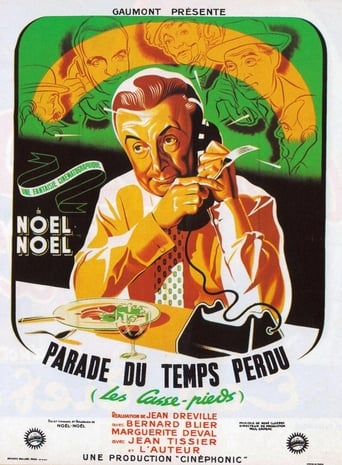
The Spice of Life (1948)
The Spice of Life
Читати опис (англ.)
A series of vignettes, in which Noel-Noel appears as the moderator, lecturer, commentator and leading actor, that examine the bores and pests of everyday life much like Pete Smith and ...
Сюжет (англ.)
When a Resistance commander and his forces disguise themselves as patients in a hospital, there is some confusion among the staff as to who is actually suffering from a real illness.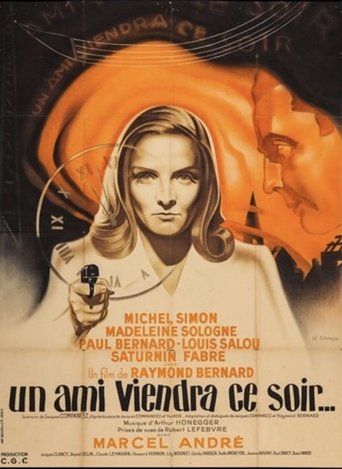
A Friend Will Come Tonight (1946)
A Friend Will Come Tonight
Читати опис (англ.)
When a Resistance commander and his forces disguise themselves as patients in a hospital, there is some confusion among the staff as to who is actually suffering from a real illness.Увійдіть, будь ласка, щоб коментувати
Фільтр