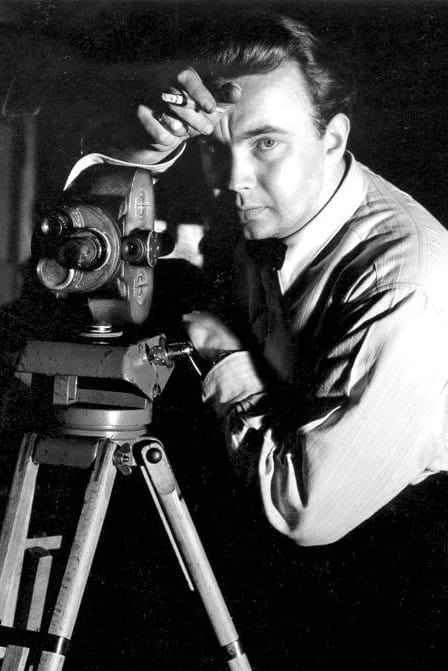
Willy Zielke
Дата народження: 18 вересня 1902
Знак зодіаку: Діва
Дата смерті: 16 вересня 1989 (86 років)
Місце народження: Ледзь, Польща, Російська імперія [зараз Лодзь, Лодзьке, Польща]
Всього фільмів (на сайті): 6
Ролі: кінематографіст (4), актор (2), режисер (1), сценарист (1), продюсер (1)
Знайдено 6 результатів
 7.2
7.2 Сюжет
Фільм спирається на архівні матеріали зі спадщини Лені Ріфеншталь — приватні фільми, фотографії, записи й листи. Він розкриває її біографію у ширшому історичному контексті: шлях від улюбленої режисерки Рейху до мисткині, яка десятиліттями заперечувала свої зв’язки з Гітлером і Ґеббельсом. У приватних документах вона оплакує «вбиті ідеали», а повоєнні листи й розмови її сучасників містять ностальгію за «сильною рукою». Це змушує поставити тривожне запитання: чи може її мистецтво пережити ренесанс, і що означало б його повернення у наш час?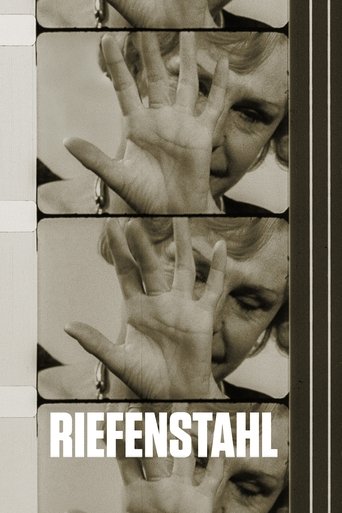
Ріфеншталь (2024)
Riefenstahl
12+Читати опис
Фільм спирається на архівні матеріали зі спадщини Лені Ріфеншталь — приватні фільми, фотографії, записи й листи. Він розкриває її біографію у ширшому історичному контексті: шлях від улюбленої режисерки Рейху до мисткині, яка десятиліттями заперечувала свої зв’язки з Гітлером і Ґеббельсом. У приватних документах вона оплакує «вбиті ідеали», а повоєнні листи й розмови її сучасників містять ностальгію за «сильною рукою». Це змушує поставити тривожне запитання: чи може її мистецтво пережити ренесанс, і що означало б його повернення у наш час?

Сюжет (англ.)
Countless people around the world know the pictures from Leni Riefenstahl's films, even if they have not seen them in their entirety. The work of the German director has burned itself into the collective memory. Even decades after...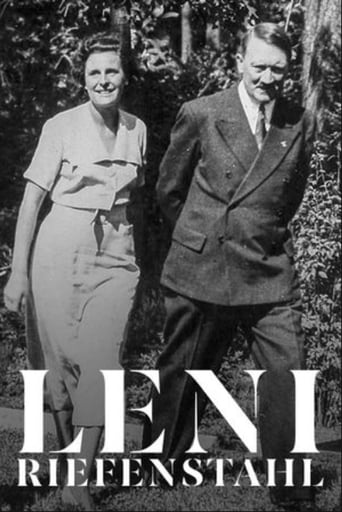
Leni Riefenstahl - The End of a Myth (2020)
Leni Riefenstahl - The End of a Myth
Читати опис (англ.)
Countless people around the world know the pictures from Leni Riefenstahl's films, even if they have not seen them in their entirety. The work of the German director has burned itself into the collective memory. Even decades after...
Сюжет (англ.)
After being commissioned by the 1936 Olympic Committee to create a feature film of the Berlin Olympics, Riefenstahl shot a documentary that celebrates the human body by combining the poetry of bodies in motion with close-ups of athletes in the heat of competition. The production tends to glorify the young male body and, some say, expresses the Nazi attitude toward athletic prowess. Miss Riefenstahl captures the grace of athletes during field hockey, soccer, bicycling, equestrian, aquatic and gymnastic events. Highlights are the Pentathlon and the Decathlon, which was won by American Glenn Morris; it ends with the triumphant conclusion of the games.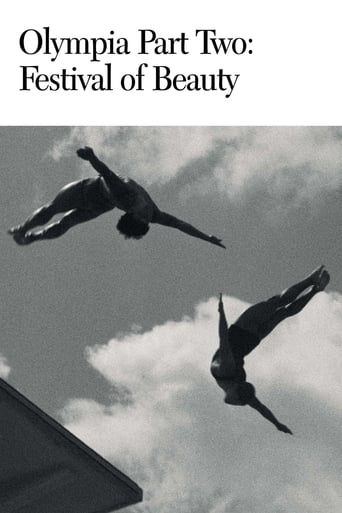
Olympia Part Two: Festival of Beauty (1938)
Olympia Part Two: Festival of Beauty
Читати опис (англ.)
After being commissioned by the 1936 Olympic Committee to create a feature film of the Berlin Olympics, Riefenstahl shot a documentary that celebrates the human body by combining the poetry of bodies in motion with close-ups of athletes in the heat of competition. The production tends to glorify the young male body and, some say, expresses the Nazi attitude toward athletic prowess. Miss Riefenstahl captures the grace of athletes during field hockey, soccer, bicycling, equestrian, aquatic and gymnastic events. Highlights are the Pentathlon and the Decathlon, which was won by American Glenn Morris; it ends with the triumphant conclusion of the games.
Сюжет (англ.)
After being commissioned by the 1936 Olympic Committee to create a feature film of the Berlin Olympics, Riefenstahl shot a documentary that celebrates the human body by combining the poetry of bodies in motion with close-ups of athletes in the heat of competition. Includes the marathon, men's diving, and American track star Jesse Owen's sprint races at the 1936 Olympic games. The production tends to glorify the young male body and, some say, expresses the Nazi attitude toward athletic prowess. Includes the lighting of the torch at the stadium and Adolf Hitler looking on in amazement as Jesse Owens wins an unprecedented four Gold Medals.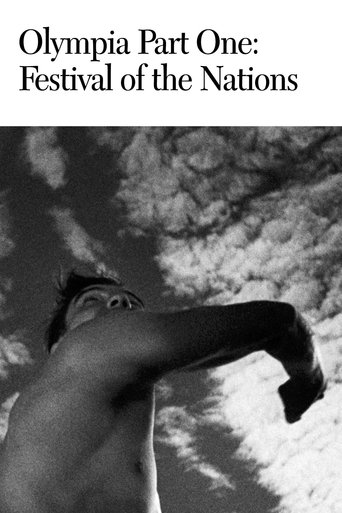
Olympia Part One: Festival of the Nations (1938)
Olympia Part One: Festival of the Nations
Читати опис (англ.)
After being commissioned by the 1936 Olympic Committee to create a feature film of the Berlin Olympics, Riefenstahl shot a documentary that celebrates the human body by combining the poetry of bodies in motion with close-ups of athletes in the heat of competition. Includes the marathon, men's diving, and American track star Jesse Owen's sprint races at the 1936 Olympic games. The production tends to glorify the young male body and, some say, expresses the Nazi attitude toward athletic prowess. Includes the lighting of the torch at the stadium and Adolf Hitler looking on in amazement as Jesse Owens wins an unprecedented four Gold Medals.
Сюжет (англ.)
Filming of the performance show the Deutsche Wehrmacht (German Army) made during the Reichsparteitag of the NSDAP in Nurnberg 1935. Showing the readiness and the will of the newly build ...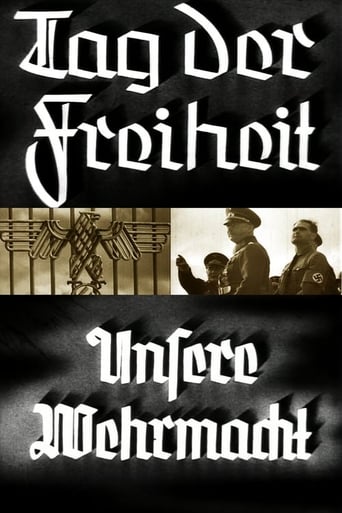
Day of Freedom (1935)
Day of Freedom
Читати опис (англ.)
Filming of the performance show the Deutsche Wehrmacht (German Army) made during the Reichsparteitag of the NSDAP in Nurnberg 1935. Showing the readiness and the will of the newly build ...
Сюжет (англ.)
In present day Germany, by 6:30 a.m., the railway workers are waiting the opening of the factory's door to start a new day of hard work. Inside, Engineer Klaassen is still awake, as all ...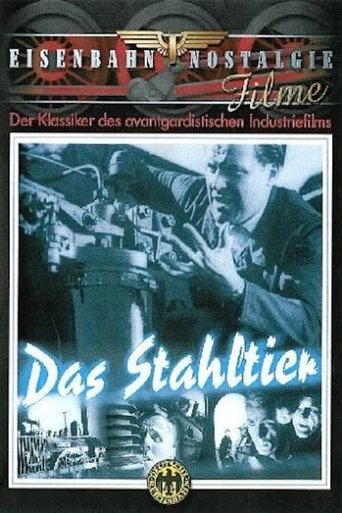
The Steel Animal (1935)
The Steel Animal
Читати опис (англ.)
In present day Germany, by 6:30 a.m., the railway workers are waiting the opening of the factory's door to start a new day of hard work. Inside, Engineer Klaassen is still awake, as all ...Увійдіть, будь ласка, щоб коментувати
Фільтр