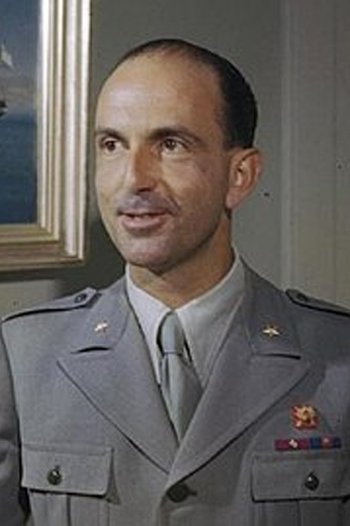
Умберто II
King Umberto II
Дата народження: 15 вересня 1904
Знак зодіаку: Діва
Дата смерті: 18 березня 1983 (78 років)
Всього фільмів (на сайті): 3
Ролі: актор
Знайдено 3 результати
 0.0
0.0 

Сюжет
Трагічна історія Європи XX століття показана очима декількох поколінь сім'ї Зонненшайнів (в перекладі - сонячне світло). Революції, війни, жахливий фашизм, концентраційні табори примушували їх впродовж довгих десятиріч вивертатися під ударами долі, приховувати своє походження, змінювати прізвище і віру, щоб зрештою дійти висновку, що не дивлячись ні на що, треба бути вірним тільки собі самому і своєму народу.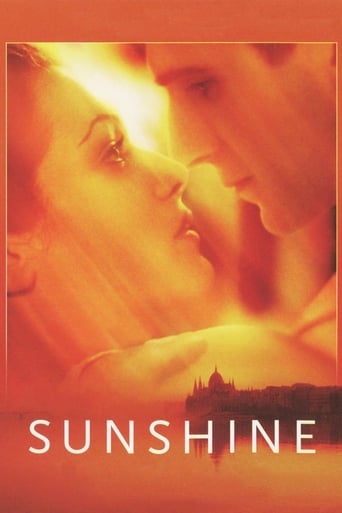
Смак сонячного світла (1999)
Sunshine
16+Читати опис
Трагічна історія Європи XX століття показана очима декількох поколінь сім'ї Зонненшайнів (в перекладі - сонячне світло). Революції, війни, жахливий фашизм, концентраційні табори примушували їх впродовж довгих десятиріч вивертатися під ударами долі, приховувати своє походження, змінювати прізвище і віру, щоб зрештою дійти висновку, що не дивлячись ні на що, треба бути вірним тільки собі самому і своєму народу.

Сюжет (англ.)
After being commissioned by the 1936 Olympic Committee to create a feature film of the Berlin Olympics, Riefenstahl shot a documentary that celebrates the human body by combining the poetry of bodies in motion with close-ups of athletes in the heat of competition. Includes the marathon, men's diving, and American track star Jesse Owen's sprint races at the 1936 Olympic games. The production tends to glorify the young male body and, some say, expresses the Nazi attitude toward athletic prowess. Includes the lighting of the torch at the stadium and Adolf Hitler looking on in amazement as Jesse Owens wins an unprecedented four Gold Medals.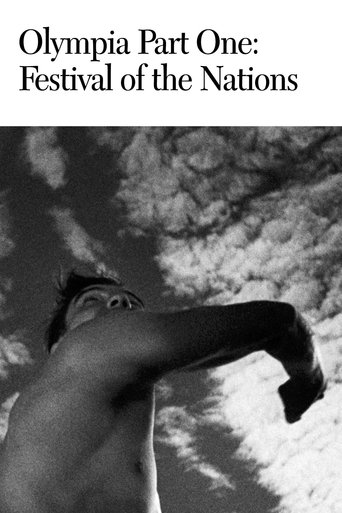
Olympia Part One: Festival of the Nations (1938)
Olympia Part One: Festival of the Nations
Читати опис (англ.)
After being commissioned by the 1936 Olympic Committee to create a feature film of the Berlin Olympics, Riefenstahl shot a documentary that celebrates the human body by combining the poetry of bodies in motion with close-ups of athletes in the heat of competition. Includes the marathon, men's diving, and American track star Jesse Owen's sprint races at the 1936 Olympic games. The production tends to glorify the young male body and, some say, expresses the Nazi attitude toward athletic prowess. Includes the lighting of the torch at the stadium and Adolf Hitler looking on in amazement as Jesse Owens wins an unprecedented four Gold Medals.Увійдіть, будь ласка, щоб коментувати
Фільтр