[Сезон 50] Нова зірка (2023-2024)
NOVA
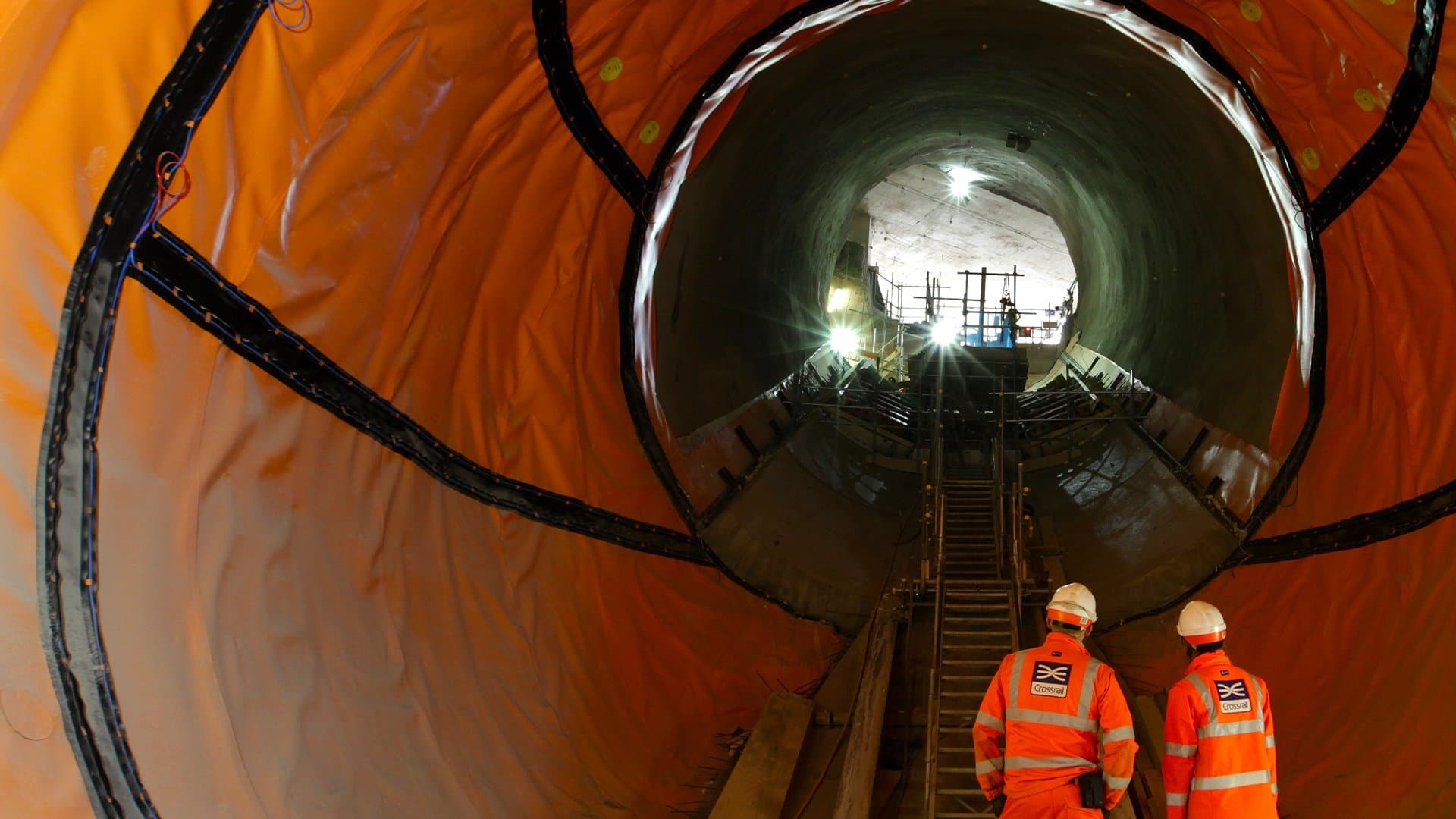
Thousands of engineers, technicians and workers race to build Europe’s biggest construction project–London’s new railroad, the Elizabeth Line.
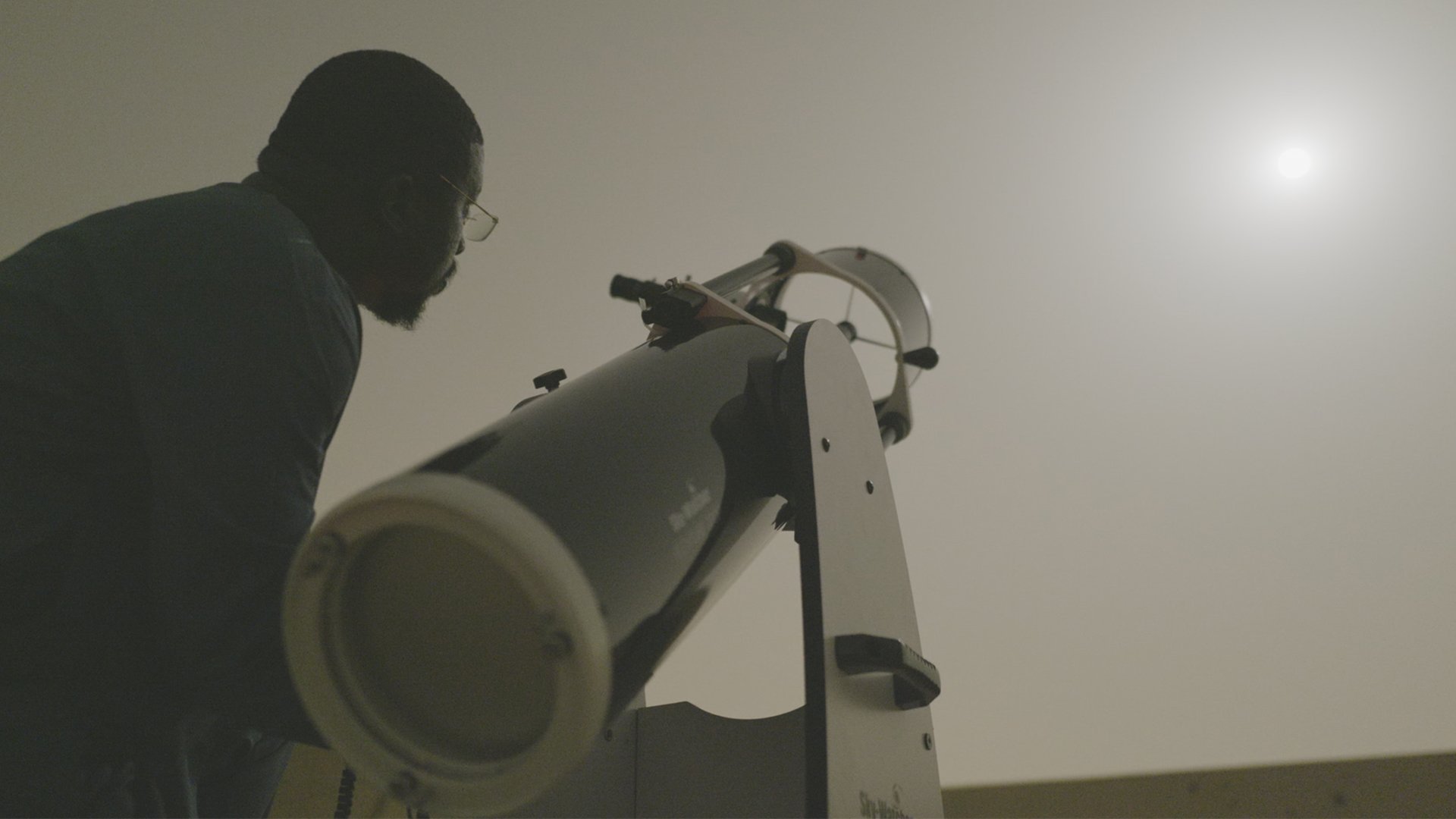
A NASA spacecraft named Lucy blasts off from Cape Canaveral on a mission to the Trojans, a group of asteroids over 400 million miles from Earth thought to hold important clues about the origins of our solar system. Just hours before, in Senegal, West Africa, a team of scientists sets out to capture extraordinarily precise observations vital to the success of the Lucy mission.
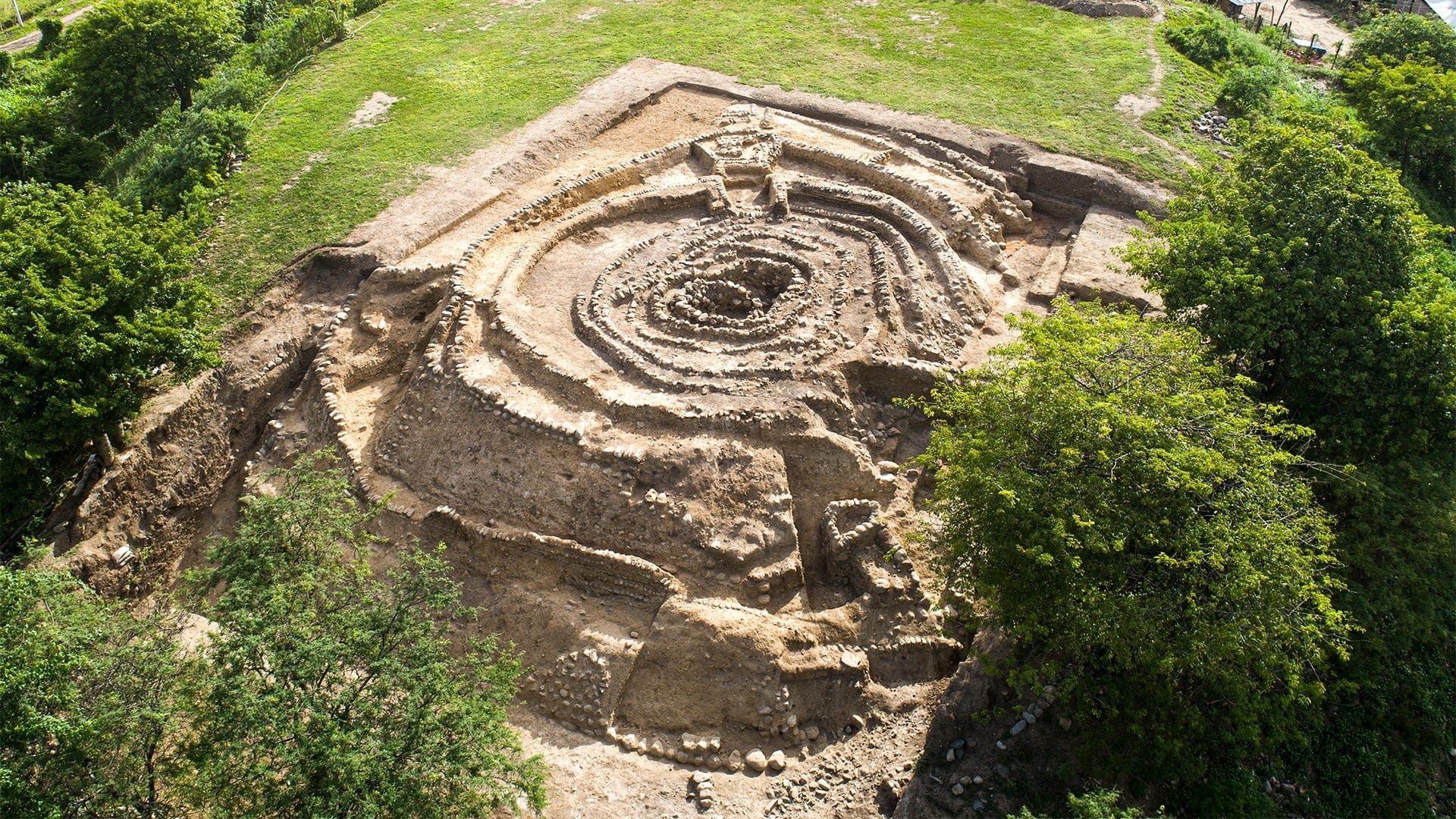
3. Ancient Builders of the Amazon
Recent discoveries in archaeology are exploding the myth of the Amazon as a primeval wilderness, revealing traces of ancient civilizations that flourished for centuries, with populations numbering in the millions.
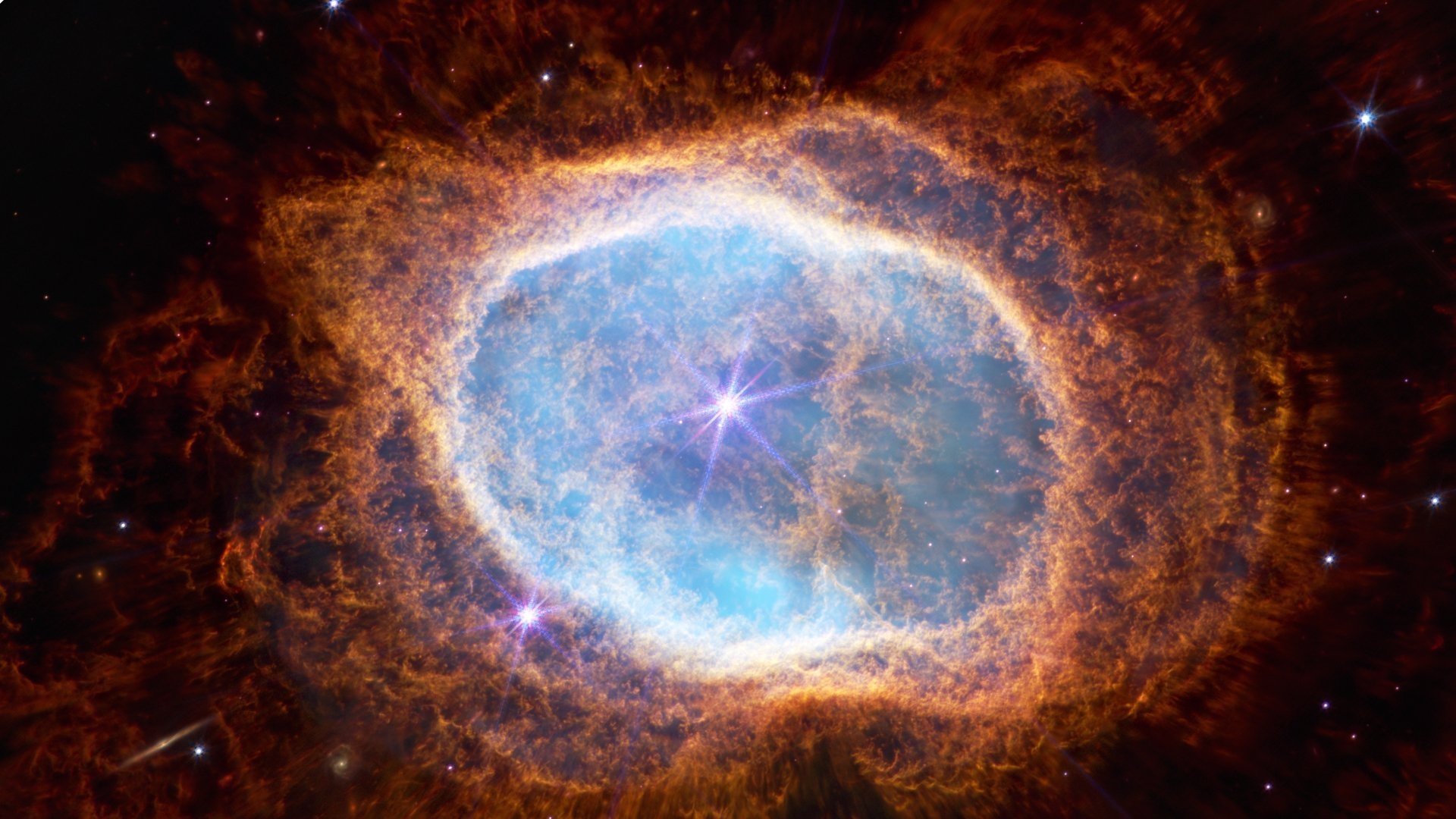
Join scientists as they use NASA’s brand new James Webb Space Telescope to peer deep in time to hunt for the first stars and galaxies in our universe, and try to detect the fingerprints of life in the atmospheres of distant exoplanets.
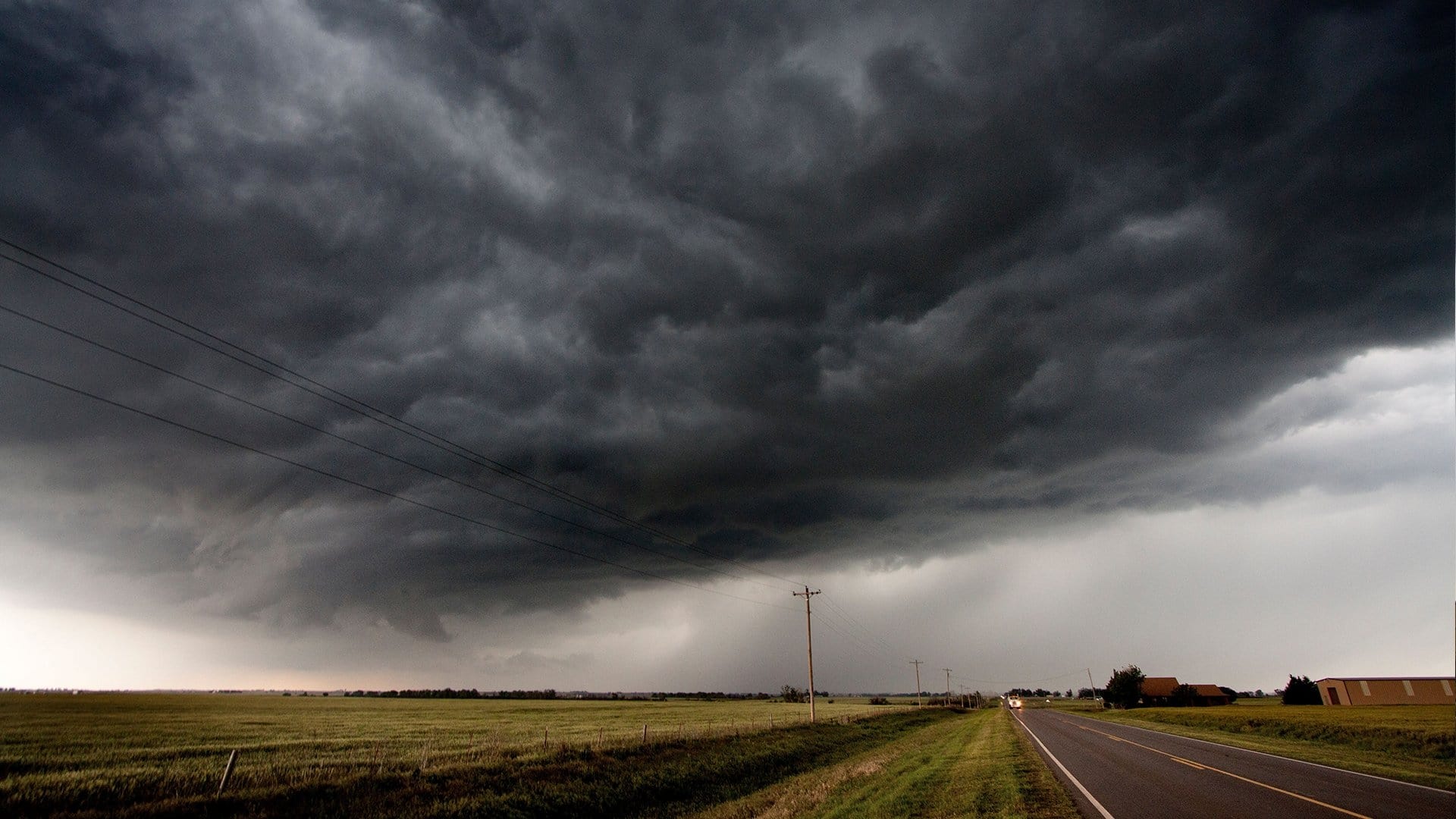
It’s hard not to notice: our weather is changing. From longer, hotter heat waves, to more intense rainstorms, to megafires and multi-year droughts, the U.S. is experiencing the full range of impacts from a changing global climate. At the same time, many on the front lines are fighting back – innovating solutions, marshaling ancient wisdom, and developing visionary ideas. The lessons they're learning today can help all of us adapt in the years ahead, as the planet gets warmer and our weather gets more extreme.
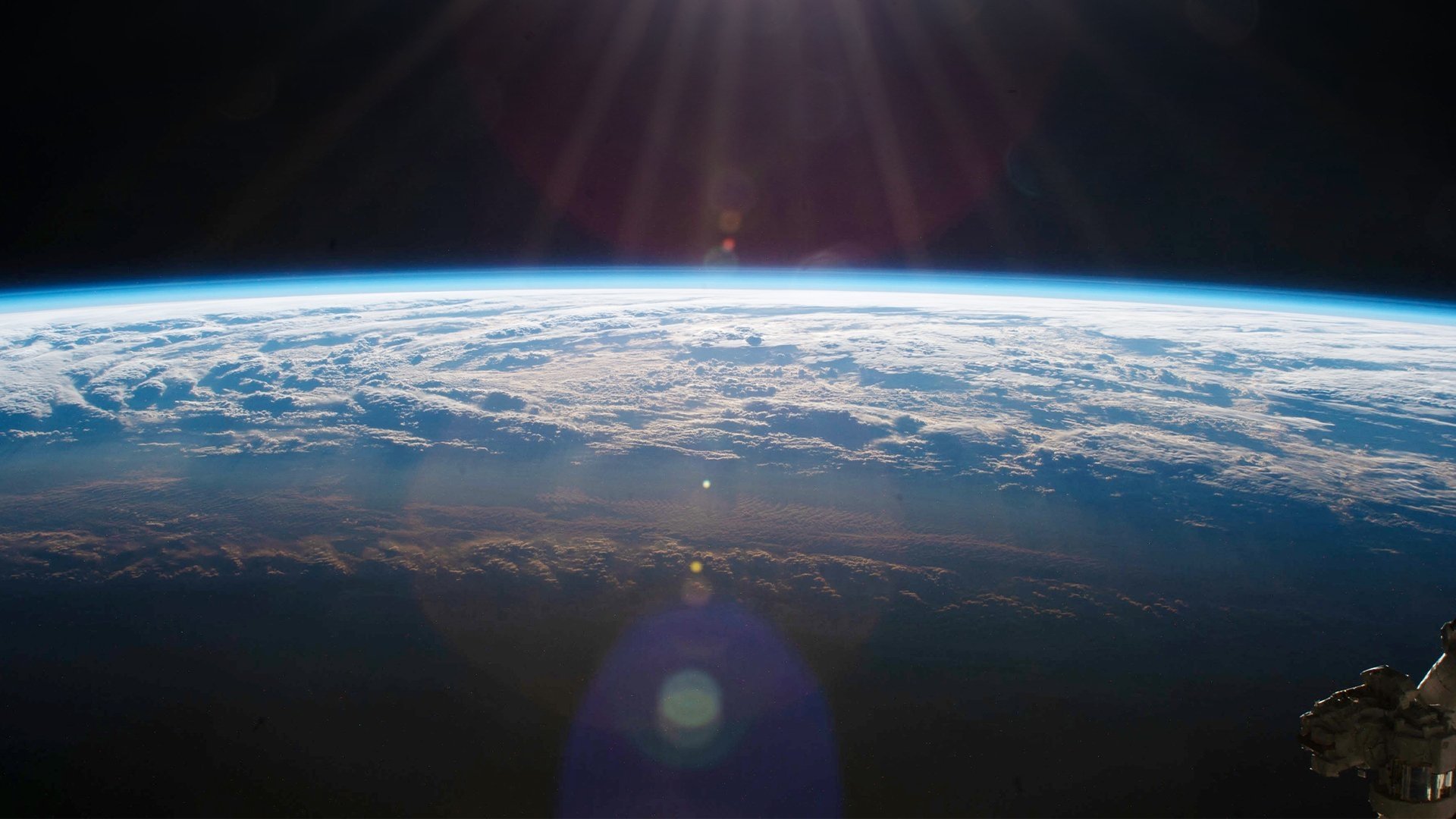
The U.S. recently set an ambitious climate change goal: zero carbon emissions by 2050. And to achieve that, slash emissions in half by 2030. Is it possible? And what kind of technology would it take? Meet scientists and engineers who are convinced we can achieve carbon zero in time to avoid the biggest impacts of climate change.
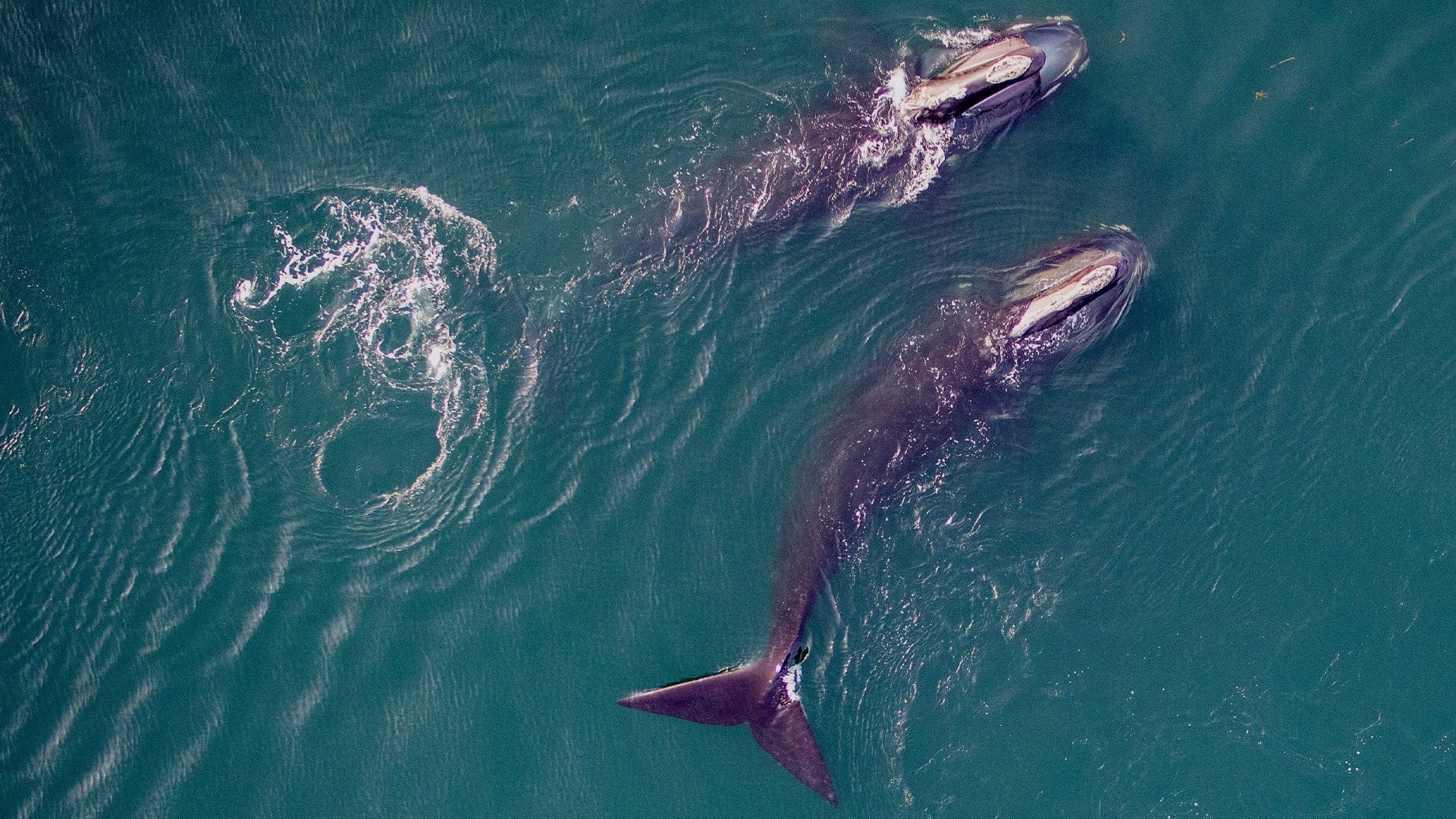
North Atlantic right whales are among the planet’s most critically endangered large ocean mammals. With fewer than 350 remaining as of 2023, they could be extinct within 20 years. But teams of marine biologists and whale rescuers are determined to help save the species. Follow their efforts and get a glimpse into the lives of these giants of the sea and their prospects for survival.
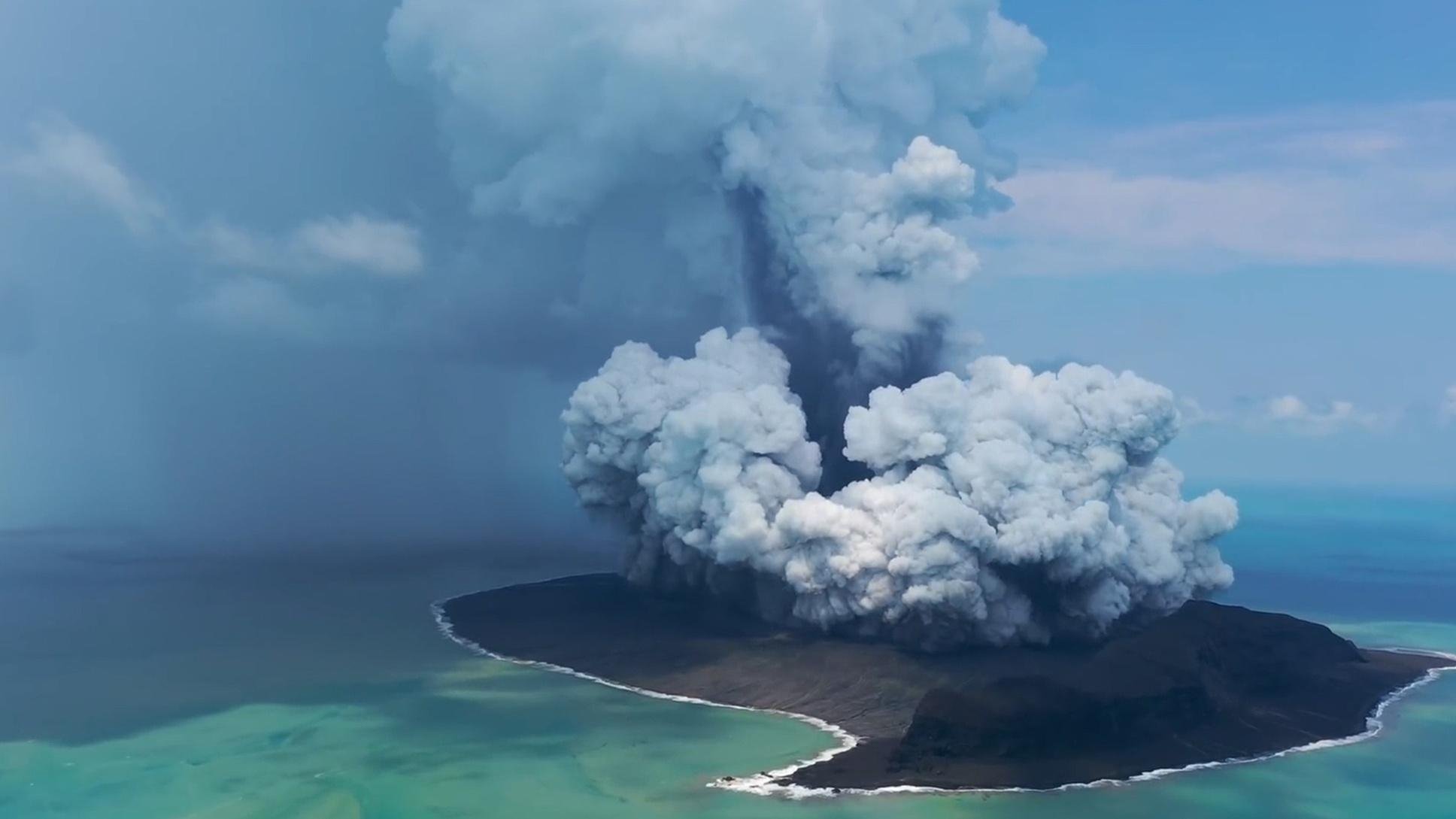
In January 2022, one of the most powerful volcanic eruptions in recorded history rocked the Pacific islands of Tonga, sending shockwaves around the world. Through first-person accounts of the disaster and eyewitness footage, experience the terrifying power of the eruption and the devastating tsunami that struck the shores of Tonga. Why was this eruption so big, how did it cause the tsunami, and could another disaster loom?
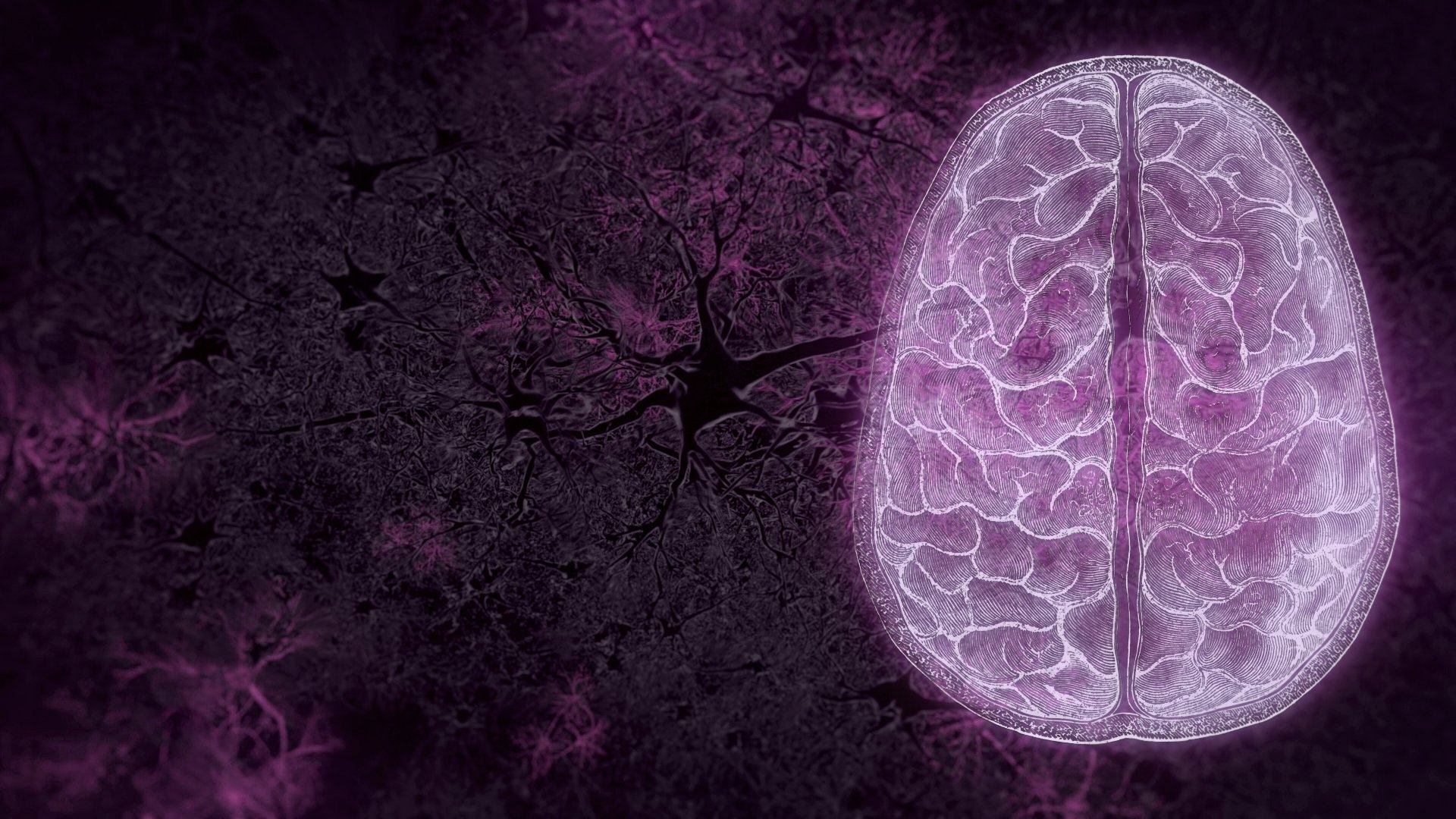
Is what you see real? Join neuroscientist Heather Berlin on a quest to understand how your brain shapes your reality, and why you can’t always trust what you perceive. In the first hour of this two-part series, learn what the latest research shows about how your brain processes and shapes the world around you, and discover the surprising tricks and shortcuts your brain takes to help you survive.
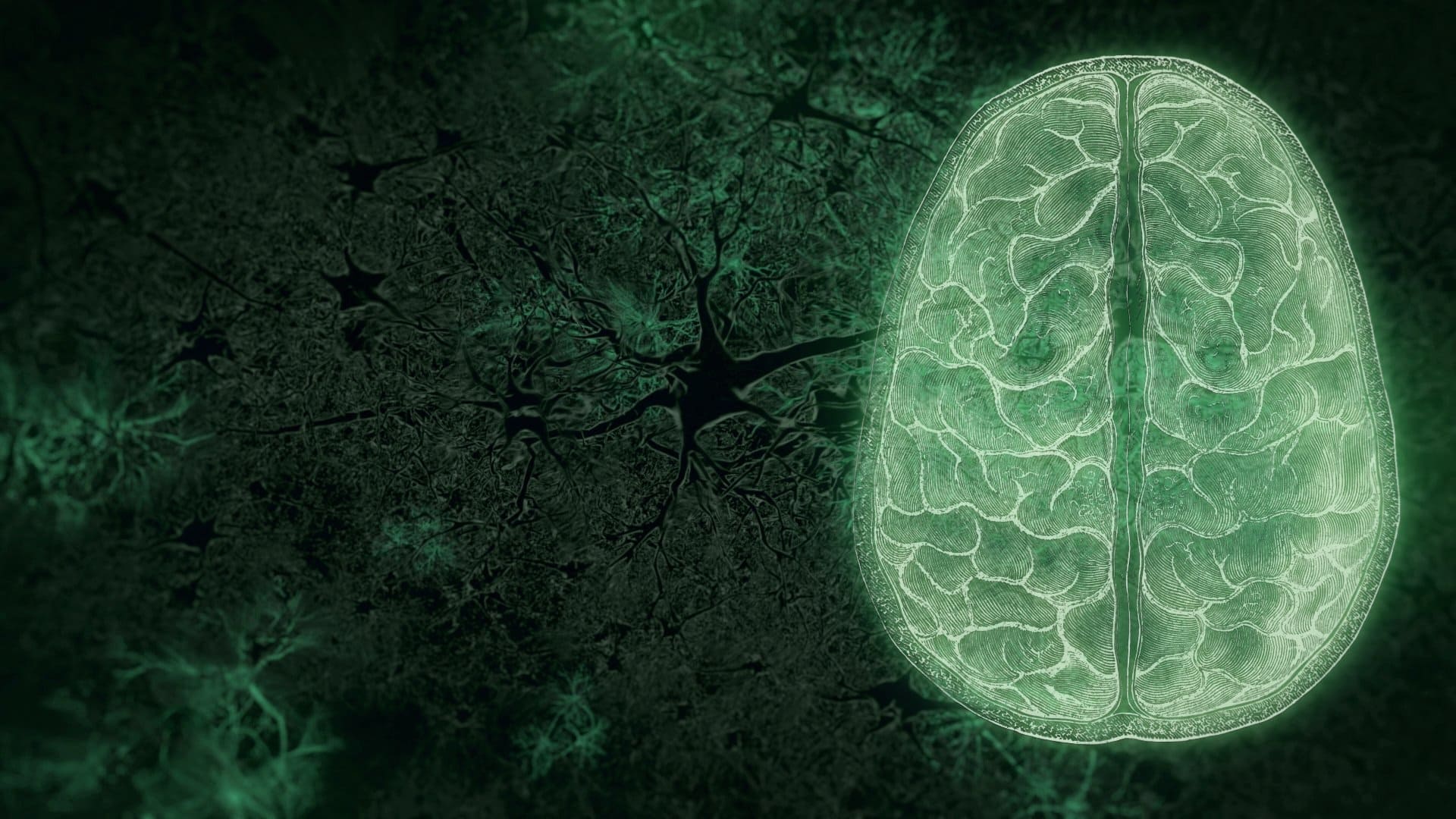
Are you in control, or is your brain controlling you? Dive into the latest research on the subconscious with neuroscientist Heather Berlin. Sleepwalking, anesthesia, game theory, and more reveal surprising insights in this eye-opening journey to discover what’s really driving the decisions you make.

<p>252 million years ago, the most devastating mass extinction of all time abruptly wiped out around 90% of all species on Earth. The culprits were the biggest volcanic eruptions the world has ever seen, emitting some 700 thousand cubic miles of magma and rock. Volcanic gasses permeated the atmosphere and acidified the oceans, while toxic gasses destroyed the ozone layer, bathing the planet in destructive UV radiation. The event – now called "The Great Dying" – came close to wiping out all life on the planet. Follow scientists as they piece together geologic evidence from the deep past and clues from today's ecosystems to discover how life made it through and evolved into the astonishing variety we see around us today.</p>
<p>The story of Earth can only be told because now, 4.5 billion years into its existence, a technological and self-aware animal species roams its surface, able to study the very planet that gave rise to it. But how exactly did Earth give rise to humans? Through stunningly realistic animation, witness the cataclysmic asteroid strike that wiped out the dinosaurs, the tumultuous changing climates that allowed early primates to spread across the planet, and the geologic events that created the conditions for the evolution of an animal that walks upright on two legs. Explore the power and paradox of humanity's profound impact on our planet and ponder the question of how we may shape its future.</p>
16. Inside China's Tech Boom
<p>In the span of just a few decades, China has transformed into a science and technology superpower. But how did it get here and where is it headed? Take an insider's tour of high-profile tech companies and labs that are driving China's meteoric rise to the forefront of global innovation. How does China innovate? What drives its bid for technological supremacy? And what does its rise mean for the future of the global economy?</p>
17. The Battle to Beat Malaria
<p>Malaria is one of humanity's oldest and most devastating plagues. In many parts of the world, it remains an ever-present scourge that sickens or kills millions of people each year. What if it could finally be defeated? Now, scientists may be on the verge of a breakthrough with a promising vaccine in the final stages of testing and approval. Follow researchers on a quest to deliver humankind from one of the world's deadliest diseases.</p>
18. Decoding the Universe: Cosmos
<p>How big is the universe? If it began with the Big Bang, will it also have an end? Is there life beyond our planet? Questions like these inspired the launch of Voyager I in 1977 and have driven innovative space research and exploration ever since. Trace the ground-breaking discoveries that have transformed our picture of the universe, from an age when we knew of no planets beyond our solar system, to today, when we have evidence of thousands and estimate trillions more. And follow the teams trying to solve two of the biggest mysteries in cosmology today: What are dark matter and dark energy?</p>