
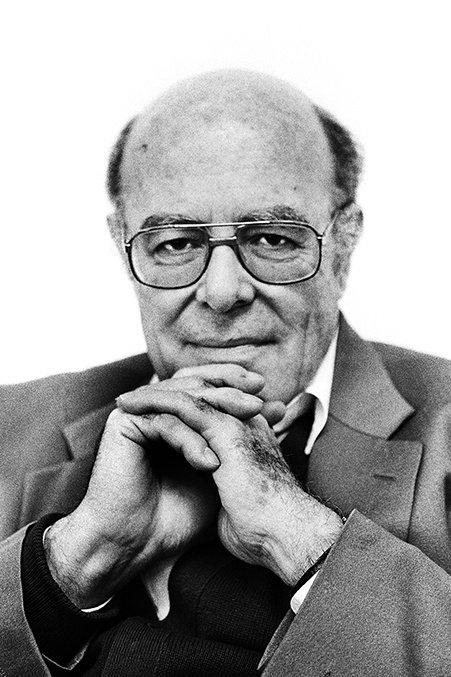
Marcel Ophüls
Дата народження: 1 листопада 1927
Знак зодіаку: Скорпіон
Дата смерті: 24 травня 2025 (97 років)
Місце народження: Франкфурт-на-Майні, Гессен, Німеччина
Всього фільмів (на сайті): 22
Ролі: режисер ★ 5.67 (14), актор (13), сценарист ★ 5.67 (11), продюсер (3)
Знайдено 3 результати
 7.3
7.3 Сюжет (англ.)
Marcel Ophüls, a frankfurt-born jew who emigrated to England, draws a genuine picture of the leadership and people in the GDR. Pitting the heads of the GRD leadership against each other by ...
November Days (1991)
November Days
Читати опис (англ.)
Marcel Ophüls, a frankfurt-born jew who emigrated to England, draws a genuine picture of the leadership and people in the GDR. Pitting the heads of the GRD leadership against each other by ...
Сюжет
Документальний фільм про Клауса Барбі, відомого також як "ліонський м'ясник", начальника гестапо в Ліоні. Про його життя до і після війни.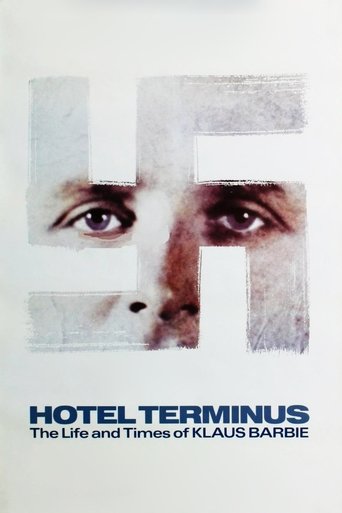
Готель Термінус (1988)
Hôtel Terminus
Читати опис
Документальний фільм про Клауса Барбі, відомого також як "ліонський м'ясник", начальника гестапо в Ліоні. Про його життя до і після війни.

Сюжет (англ.)
Shot over six weeks in December 1971, and January 1972, the film consisted of interviews with Protestants, Catholics, politicians, and some soldiers, combined with TV news clips of bombings and violence. The deaths of four individuals formed the central focus of the film, which Ophüls described as ‘an old, middle-aged, humanistic, social-democratic attempt to give people an idea that life after all is not that cheap’. The BBC refused to transmit the completed film on the grounds that it was ‘too pro-Irish’ (Sunday Times, 5 Nov. 1972). (via http://cain.ulst.ac.uk/othelem/media/docs/freespeech.htm)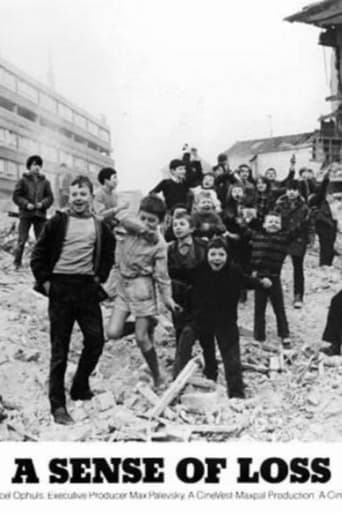
À ceux qui perdent (1972)
À ceux qui perdent
Читати опис (англ.)
Shot over six weeks in December 1971, and January 1972, the film consisted of interviews with Protestants, Catholics, politicians, and some soldiers, combined with TV news clips of bombings and violence. The deaths of four individuals formed the central focus of the film, which Ophüls described as ‘an old, middle-aged, humanistic, social-democratic attempt to give people an idea that life after all is not that cheap’. The BBC refused to transmit the completed film on the grounds that it was ‘too pro-Irish’ (Sunday Times, 5 Nov. 1972). (via http://cain.ulst.ac.uk/othelem/media/docs/freespeech.htm)Увійдіть, будь ласка, щоб коментувати
Фільтр Скинути фільтри