[Сезон 1] Forensic Files (1996)
Forensic Files
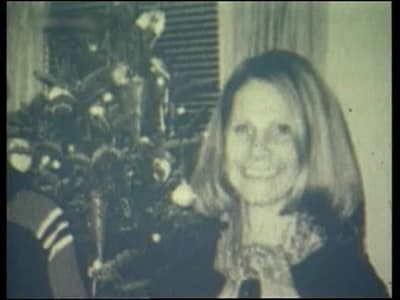
1. The Disappearance of Helle Crafts
The case of missing stewardess Helle Craft is recounted. Although her body was never recovered, police used forensic evidence to charge her husband with murder. It became the first murder conviction without a body in Connecticut.
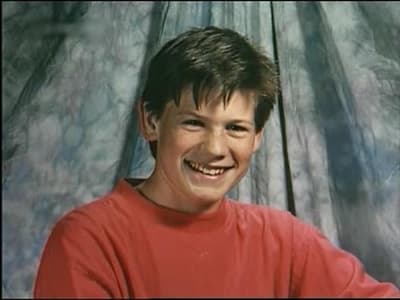
At the Dallas 'Pistol & Revolver' club in 1991, Trey Cooley, a young spectator, was watching a shooting competition, seated behind an air gun range. He was struck and killed by a stray bullet. See how ballistics, lasers, and forensic animation solve the riddle of the "magic bullet".
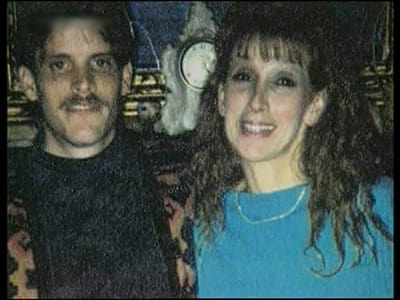
Caren Campano disappears and the explanation of her husband Chris doesn't hold up. Police find a large stain on the Campano's bedroom carpet. They perform an eerie chemical test that reveals a room spattered with blood which, when cleaned off, could not be seen by the naked eye. Complex 'reverse paternity' tests of Caren's relatives match her blood type to the blood on the carpet. The evidence convicts Chris Campano of murder, even though the body wasn't found until a year later.
The first case to use DNA evidence is detailed. In 1983 Leicester, England, police were stymied by a rape/murder of a 15-year-old girl; three years later, faced with a similar crime, they turned to Dr. Alec Jeffreys, a molecular biologist with a revolutionary approach to solving the case.

Single mother Denise Johnson is found dead in a deserted area outside of Phoenix, Arizona. Local investigators ask a molecular geneticist to pick out a tree in a 'lineup' when unidentified seed pods are found in suspect Mark Bogan's truck. The judge rules into evidence DNA profiles linking the pods to a tree near where the body was found. This is the first U.S. case where plant DNA was used to convict a criminal.
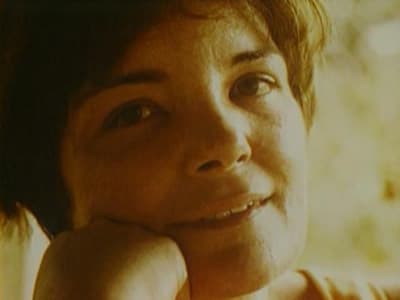
FBI psychological profiling and DNA evidence identify Timothy Wilson Spencer who raped and strangled five young women in Virginia. The U.S. criminal justice system's first use of DNA profiling in a serial murder case frees an innocent man after he spent two years in prison, and convicts a real killer.
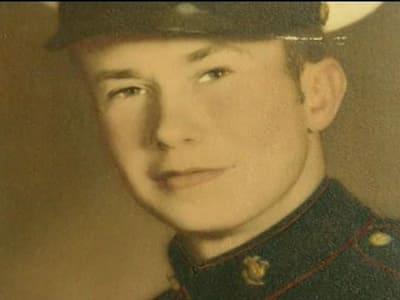
Legionnaires' disease is one of the most famous medical detective stories, especially irritating for its missteps and frustrations. When 180 Legionnaires contract pneumonia-like symptoms after a Philadelphia Convention and 29 of them die, doctors and scientists are mystified. The determination of one scientist helps to determine the cause and likely vector of this deadly disease.
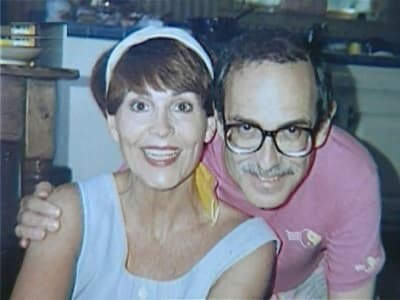
Eye doctor Jack Wilson is found dead by his wife Betty, having been beaten, stabbed and lying in a pool of blood with a baseball bat nearby. Police arrest an itinerant painter/handyman who is found with the doctor's credit cards. He accuses the doctor's unfaithful wife and her twin sister of hiring him to commit the murder. The wife is sent to prison, but at her sister's trial, attorneys finally bring in a forensic expert who testifies that the crime could not have been committed the way the painter said. The sister is acquitted. But the wife remains in prison, and the mystery goes unsolved.
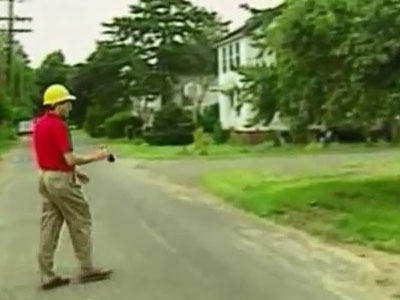
Troubling clusters of deadly cancer cases strike concerned communities across the country. In a Phoenix suburb, too many children are fatally stricken with leukemia and, on a Connecticut street, there is a disproportionate amount of illness, including four cases of brain cancer. Modern environmental agents such as buried poisons and electrical substations are found... Could these be the culprits?
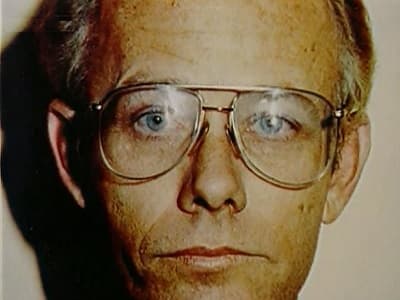
Between 1985 and 1988, 18 people were choked, molested and left for dead in the remote desert mountains of California. The only witnesses were the insects – and they also proved to play an important role in solving the crimes.
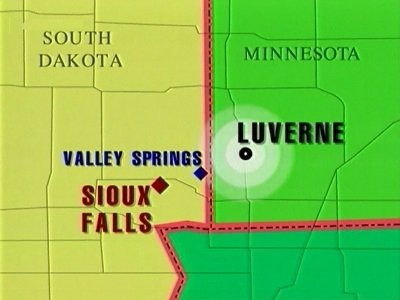
Alarmingly high levels of thyroid hormones pump through the systems of South Dakota residents. Investigators study one family who all got sick, except their 12-year-old son who is a vegetarian.
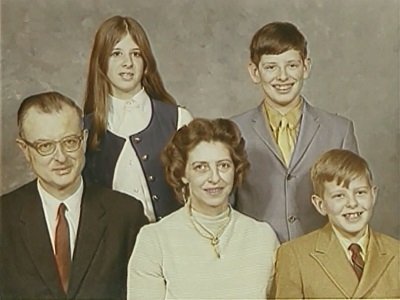
In 1971, John List left a note with the bodies of his mother, wife, and three children in his mansion ballroom, funeral organ music blaring from a central sound system, and disappeared. Eighteen years later, all detectives had to work from is an outdated photograph of List. In 1989, the popular television series America's Most Wanted commissioned an age-scaled bust of List to aid viewers in identifying the confessed murderer. Dr. Frank Bender, nationally-recognized artist and sculptor, worked with forensic psychologist Richard Walter to develop a profile of the aging List. The final bust was so keenly accurate that 350 viewers called with tips, one of which led to List's arrest.
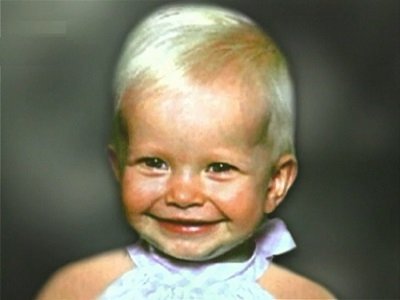
Escherichia coli (E-coli) bacteria can be found in meats, milk and in water. When food is properly processed, prepared and stored, E-Coli are harmless. But in the absence of these simple precautions, E-Coli can have deadly consequences. Raw Terror tells the story of Damion Heersink, an eleven-year-old boy who almost died after eating an improperly cooked hamburger teeming with E-Coli, and the people who saved his life.