 0.0
0.0 Сюжет
Документальний фільм про перших українських імміґрантів (точніше біженців) у Канаді, а саме в Манітобі. Славко Новицький взяв інтерв'ю у першопрохідців та дослідив минуле у цьому пізнавальному фільмі.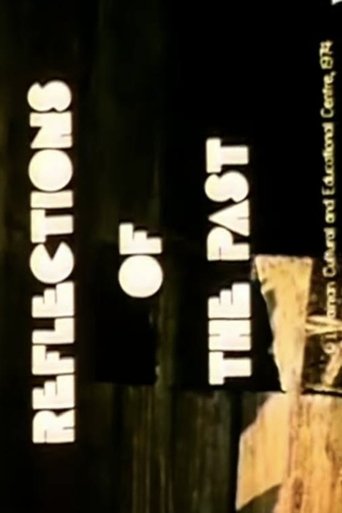
Відображення минулого (1974)
Reflections of the Past
1 січня 1974 (Україна)
Канада
35 хв
Читати опис
Документальний фільм про перших українських імміґрантів (точніше біженців) у Канаді, а саме в Манітобі. Славко Новицький взяв інтерв'ю у першопрохідців та дослідив минуле у цьому пізнавальному фільмі.
Сюжет (англ.)
A new city rises next to the Chornobyl power station – Pripyat. “Morning of the Atomohrad” depicts the daily routine of construction as a grand and clockwork process – the birth of a new world to the tune of symphonic music. The typical modern hero character, a “creative type” that sees his work as one of the most wonderful occupations, appears in this film for the first time in the image of the construction worker, Dima Bobrykyi. His working companions are the welders of the highest rank, two Korol couples. Happily posing in front of the camera, the couple confess that they receive “true pleasure” from their line of work.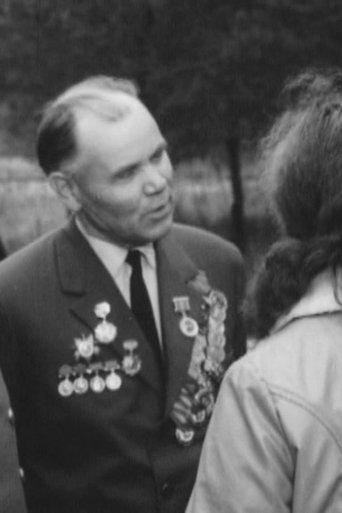
Ранок атомограду (1974)
Morning of the Atomohrad
1 січня 1974 (Україна)
СРСР
30 хв
Читати опис (англ.)
A new city rises next to the Chornobyl power station – Pripyat. “Morning of the Atomohrad” depicts the daily routine of construction as a grand and clockwork process – the birth of a new world to the tune of symphonic music. The typical modern hero character, a “creative type” that sees his work as one of the most wonderful occupations, appears in this film for the first time in the image of the construction worker, Dima Bobrykyi. His working companions are the welders of the highest rank, two Korol couples. Happily posing in front of the camera, the couple confess that they receive “true pleasure” from their line of work.
Сюжет
На одному полі росла яблунька – молода і красива. Вона не тільки приносила смачні і соковиті плоди, здатні вгамувати голод, але і радувала людей своїм пишним весняним квітінням і тонким ароматом, дарувала в тіні своєї крони відпочинок втомленим подорожнім. Дерево наповнювало світ красою і гармонією. Але ось одного разу йшов повз яблуньки недобрий чоловік. Він був жадібний, самозакоханий і грубий. Побачивши прекрасне дерево, чоловік забажав, щоб воно належало тільки йому і нікому більше.Мови: немає, але титри в наявних версіях моск., варто українізувати

Казка про яблуню (1974)
Tale About The Apple Tree
9 лютого 1974 (Україна)
СРСР
8 хв
Читати опис
На одному полі росла яблунька – молода і красива. Вона не тільки приносила смачні і соковиті плоди, здатні вгамувати голод, але і радувала людей своїм пишним весняним квітінням і тонким ароматом, дарувала в тіні своєї крони відпочинок втомленим подорожнім. Дерево наповнювало світ красою і гармонією. Але ось одного разу йшов повз яблуньки недобрий чоловік. Він був жадібний, самозакоханий і грубий. Побачивши прекрасне дерево, чоловік забажав, щоб воно належало тільки йому і нікому більше.Мови: немає, але титри в наявних версіях моск., варто українізувати
Сюжет (англ.)
The script about loneliness, conformity and the impossibility of creative realization scared the editorial censorship at the studio, and then at Derzhkino. A lot of claims were made against him. The demands for amendments and endless additions and rewrites by the authors lasted for about a year. The original version of the title "Na pokhony!" ("To bow down!") was replaced by "To Dream and to Live". According to Pylyp Ilyenko, the director's eldest son, this name appeared "as a result of censor pressure." Censorship stopped the tape 40 times: at the stage of the literary script, director's, during film tests (the actors were not approved), filming, etc. The film catastrophically fell apart into fragments, into masterfully filmed, but unrelated scenes. The director called the finished version a "dead film".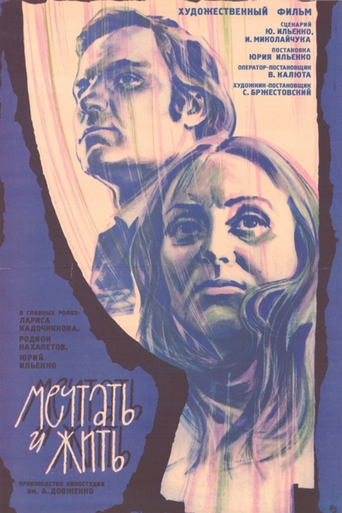
Мріяти і жити (1975)
To Dream and to Live
1 квітня 1974 (Україна)
СРСР
1 год 29 хв
Читати опис (англ.)
The script about loneliness, conformity and the impossibility of creative realization scared the editorial censorship at the studio, and then at Derzhkino. A lot of claims were made against him. The demands for amendments and endless additions and rewrites by the authors lasted for about a year. The original version of the title "Na pokhony!" ("To bow down!") was replaced by "To Dream and to Live". According to Pylyp Ilyenko, the director's eldest son, this name appeared "as a result of censor pressure." Censorship stopped the tape 40 times: at the stage of the literary script, director's, during film tests (the actors were not approved), filming, etc. The film catastrophically fell apart into fragments, into masterfully filmed, but unrelated scenes. The director called the finished version a "dead film".Фільтр
Нещодавно переглянуті: